Contact: Kawana McGough, Division of Development and Alumni Engagement
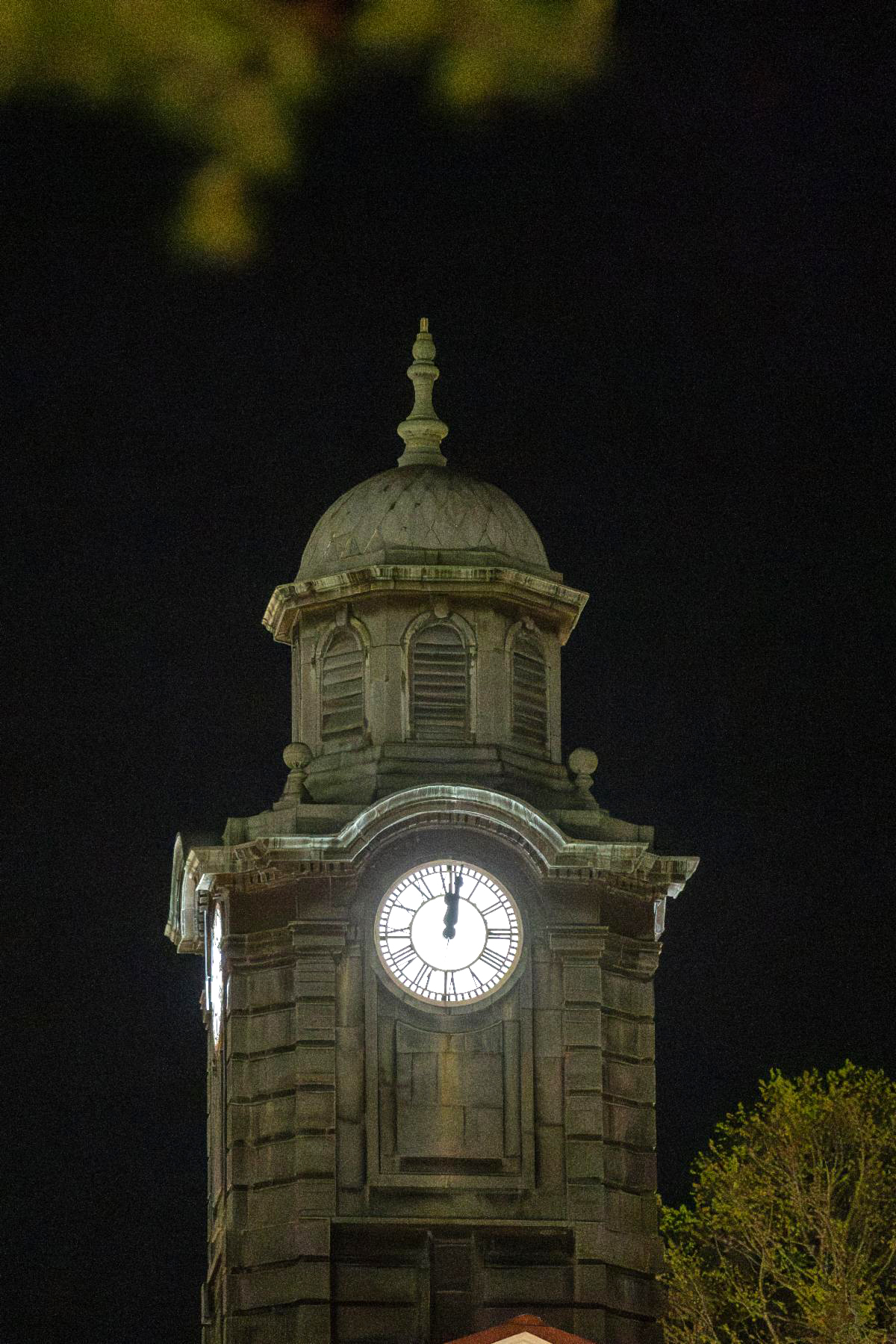
As Tuskegee University prepares to welcome alumni back to campus for Founders’ Day 2026, the restored bell in White Hall now stands as a powerful symbol of renewal—reflecting not only the preservation of a cherished campus landmark, but also the university’s broader commitment to revitalization across campus and in the surrounding community.
The restoration was completed by Tuskegee University’s Office of Facilities and Construction, led by Dr. Brandon Toliver, Special Assistant to the President for Facilities and Construction. Supported by generous contributions from alumni and other investors, the project is one example of how philanthropy is helping advance important restoration and deferred maintenance efforts at Tuskegee.
One of the university’s most iconic structures, White Hall has long held deep meaning for generations of alumni. Originally completed in 1909 and later enhanced with its clock tower in 1913, the historic building remains a visible reminder of Tuskegee’s enduring legacy. With the bell now restored to full function, White Hall once again carries a familiar sound across campus—one that connects past generations to the present moment.
The project also represents something larger.
The restoration of White Hall’s bell is part of an ongoing effort to preserve Tuskegee’s historic assets while addressing critical infrastructure and maintenance needs. Similar work underway at the Varner House and the Jock Smith House further demonstrates the university’s commitment to strengthening both campus and community through thoughtful stewardship and reinvestment. Other much-needed deferred maintenance projects are also being addressed, helping ensure that Tuskegee’s physical spaces reflect the excellence of its mission.
These efforts align with the Campus Revitalization and Innovation pillar of the Campaign for Tuskegee University: Solving the World’s Most Complex Problems. The pillar focuses on enhancing Tuskegee’s historic campus while developing modern facilities that support teaching, research, and collaboration. It includes upgraded classrooms and laboratories, expanded research capacity, new clinical and veterinary facilities, and revitalized spaces such as the Kellogg Conference Center and other historic campus assets.
“Through the work of our Office of Facilities and Construction, we are focused on preserving the integrity of Tuskegee’s historic campus while addressing critical needs that position us for the future,” said Toliver. “The restoration of the White Hall bell is one example of how thoughtful investment can help us protect what is meaningful about this institution while strengthening the campus for generations to come.”
Dr. Mark A. Brown ’86, President and CEO, said projects like these reflect the university’s broader Tuskegee Renaissance—an effort grounded in heritage, sustained by vision, and made possible through strategic investment.
“When we invest in historic assets and address long-standing campus needs, we are doing more than restoring buildings—we are strengthening the foundation for Tuskegee’s future,” Dr. Brown said. “These efforts reflect our commitment to honor our legacy, improve the campus experience, and create an environment where our students and the entire university community can thrive.”
As alumni return for Founders’ Day 2026, the sound of the White Hall bell will serve as a reminder that Tuskegee’s future is being built with the same care and purpose that shaped its past.
The continued support of alumni, donors, and friends helps make these efforts possible, advancing the work of preservation, progress, and innovation across Mother Tuskegee.
Please explore The Campaign for Tuskegee University, our historic $300 million comprehensive campaign. To learn more about supporting the campaign, please contact: Michael Hurlbert, Executive Director of Major Gifts and Legacy Giving at (334) 421-1340 or
mhurlbert@tuskegee.edu.
© 2026 Tuskegee University