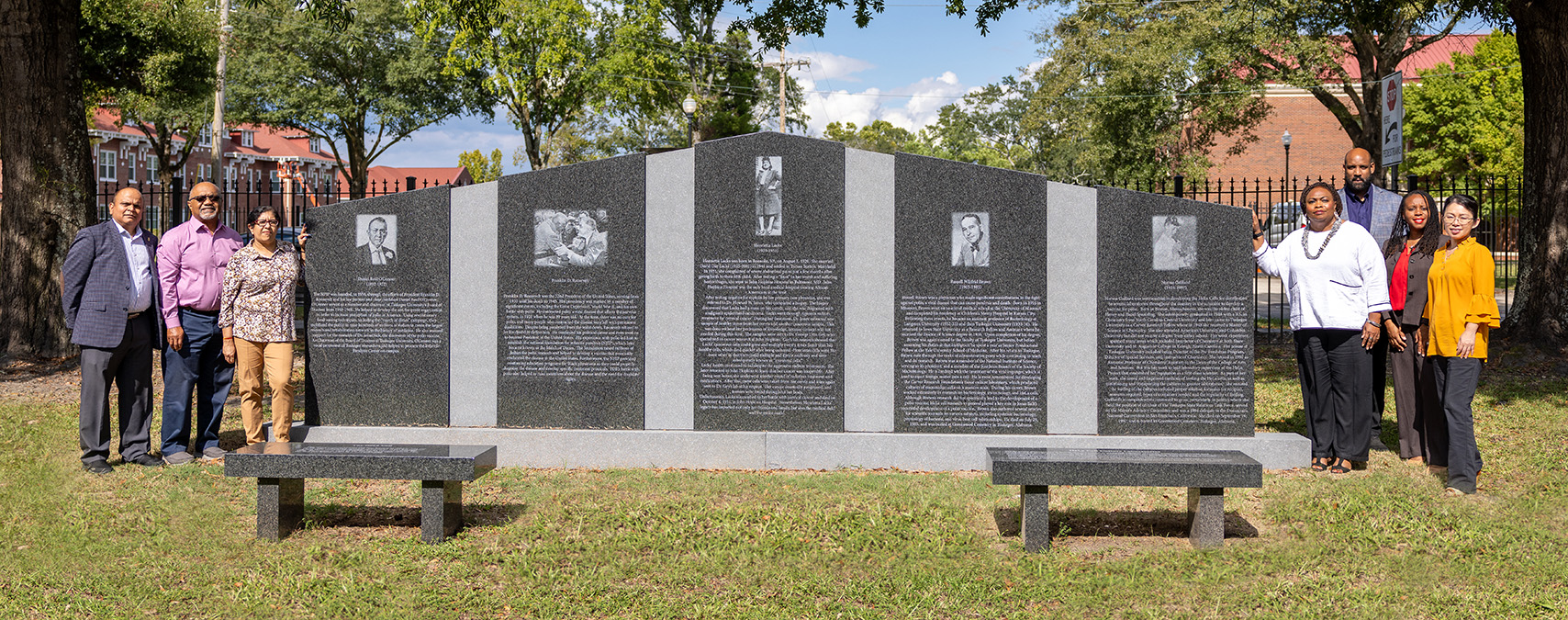
Contact: Crystal Drake, Office of Strategic Communications
Tuskegee University has entered the second phase of its National Human Genome Research Institute (NHGRI) award for the Carver Genomic Research Center, transitioning from planning and capacity building into five years of full research operations supported by nearly $10 million from the National Institutes of Health.
The Center is designed to expand genomic research capacity at Tuskegee while addressing cancers that disproportionately affect Black communities across Alabama's Black Belt region.
"The Carver Genomic Research Center exists to build genomic research capacity where there has been very little before and to put it to work on diseases that have an outsized impact on our communities," said Dr. Deepa Bedi, Professor of Physiology in the College of Veterinary Medicine and Director of the Center for Biomedical Research. "We are training scientists from this region, studying the biology of cancer in the populations most affected by it and we will ensure that the people and communities who make this research possible also reap the benefits of it."
Preparing for the future
Since launching in 2024, the Center's first phase focused on building the infrastructure needed to support modern genomic science. During that period, Tuskegee established high-performance computing capabilities and trained faculty and students, and invested in state-of-the-art computing, artificial intelligence platforms, genomic technologies, workforce development, and community partnerships. In August 2025, the university also broke ground on a new 8,000-square-foot research annex that will support the Center's growing research portfolio.
Dr. Tim Turner, Vice President of Research, Sponsored Programs and Innovation, explained that the Center is now ready to apply those capabilities directly to research projects with the potential to improve cancer outcomes in historically underserved populations.
"In Phase 2, those investments come to life. We are now applying those tools to important questions in cancer biology while creating opportunities for students, researchers, and community members to participate in genomic science in ways that were not previously possible at Tuskegee,” he said.
The Center operates through three cores and three major research projects: The Administrative Core, The Genomic Workforce Development Core, and the Community Engagement Core.
Research efforts will focus on three cancer-related projects:
- A study investigating the genomic drivers of bladder cancer
- Research on triple-negative breast cancer in women of African ancestry, an aggressive disease that often affects younger women and has historically been understudied in the populations
- An artificial intelligence project designed to improve the analysis and interpretation of cancer pathology slides using advanced machine learning approaches.
Making an impact on the community
A defining feature of the Center is its commitment to community engagement and ethical research practices. Working closely with residents in Macon and Bullock counties, researchers have built a model that prioritizes informed consent, transparency, and ongoing dialogue.
"At Tuskegee, we understand that trust must be earned through genuine relationships,” said Dr. Vivian Carter, Department Head, Psychology and Sociology co-lead of the Community Engagement Core. "Every participant deserves to understand what genomics is, why the research matters, how their information is protected, and how the results may benefit future generations. Our goal is to ensure community members are informed partners in the research process."
The Community Engagement Core promotes informed participation through genomic education sessions delivered at town halls, dissemination workshops, and community cafés. These sessions explain the fundamentals of genomics, discuss why genomic research matters for local communities, and outline safeguards designed to protect participants, including the Genetic Information Nondiscrimination Act (GINA) and comprehensive informed consent procedures. Residents also have direct access to community engagement investigators and trained community navigators who live and work within the communities being served.
Trust-building efforts extend are intentional and ongoing reflecting longstanding relationships with local residents and organizations. Researchers attend community meetings, collaborate on local initiatives, support health fairs and food distributions, participate in events such as the Prostate Cancer Car Show and Health Fair, and engage students through programs including the All Macon County Day Science Fair.
"Trust grows through consistent, face-to-face engagement. We show up for the community because we genuinely care about its people and priorities,” said Dr. Chastity Bradford, Assistant Provost of Academic Programs and Student Matters and co-lead of the Community Engagement Core. That means listening, supporting local initiatives, respecting community concerns, and ensuring that research reflects shared goals."
For Dr. Stephen Sodeke, Professor of Allied Health and the Bioethicist who oversees the Center's bioethics activities, the importance of these safeguards carries particular significance.
"At Tuskegee, bioethics is not an afterthought. It is embedded in every stage of our work, from informed consent and community engagement to data stewardship and the responsible use of genomic technologies," he said.
"The history of research involving African American communities demands that today's research be conducted with transparency, respect, and accountability.”
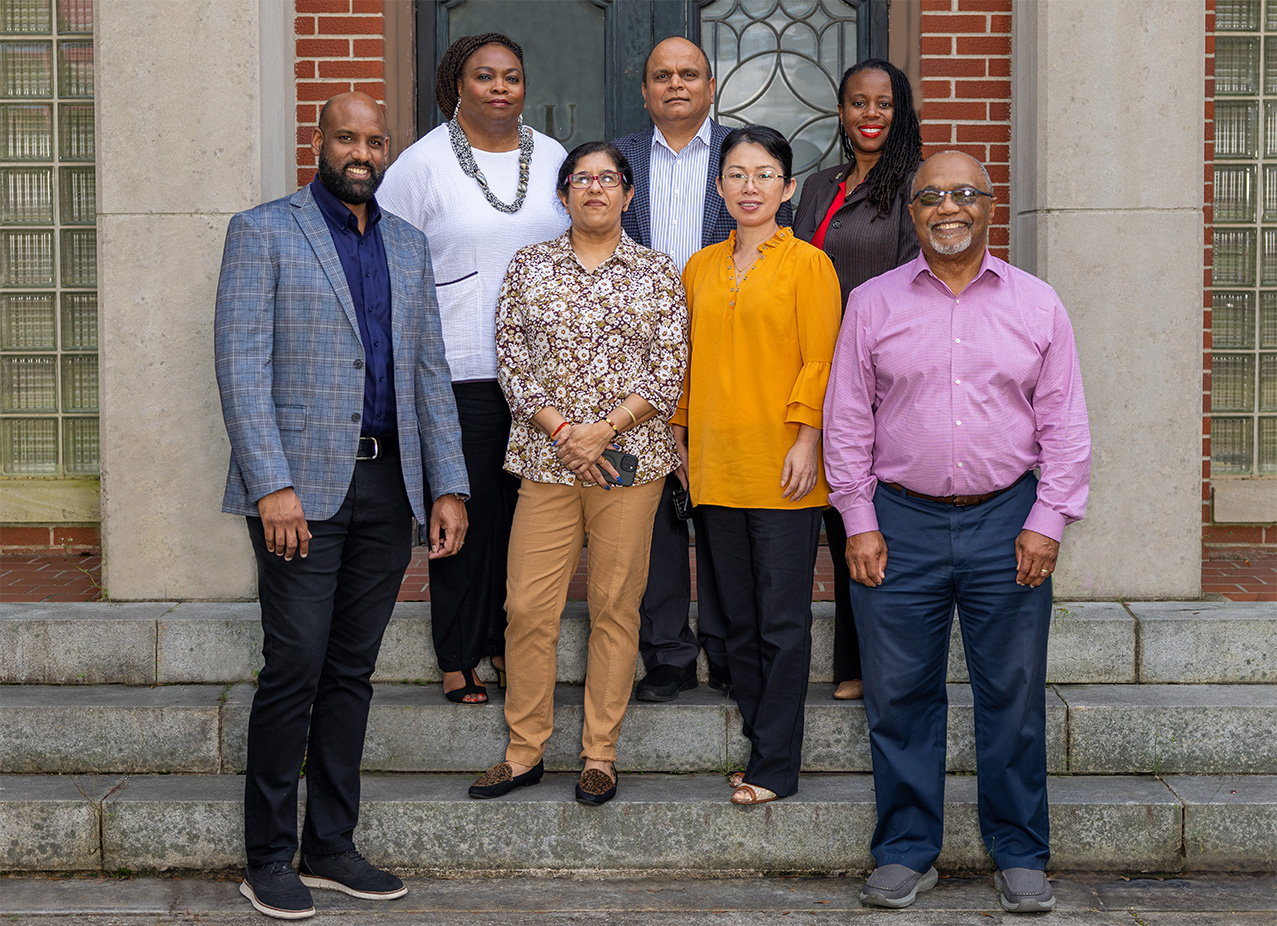
The successful grant teamwork also includes co-leads Dr. Balasubramanyam Karanam, Associate Professor, Department of Biology and Dr. Honghe Wang, Professor, Department of Biology, Dr. Stacy Lloyd, Assistant Professor, Department of Pathobiology, College of Veterinary Medicine, as well as Lecarde Webb, Planning and Evaluation Manager and Chiquita Lee, Program Manager.
As the Carver Genomic Research Center enters its operational phase, university leaders believe its success will be measured not only by scientific discoveries, but also by its ability to develop a new generation of genomic scientists who earn deep community trust across Alabama's Black Belt.
© 2026 Tuskegee University